
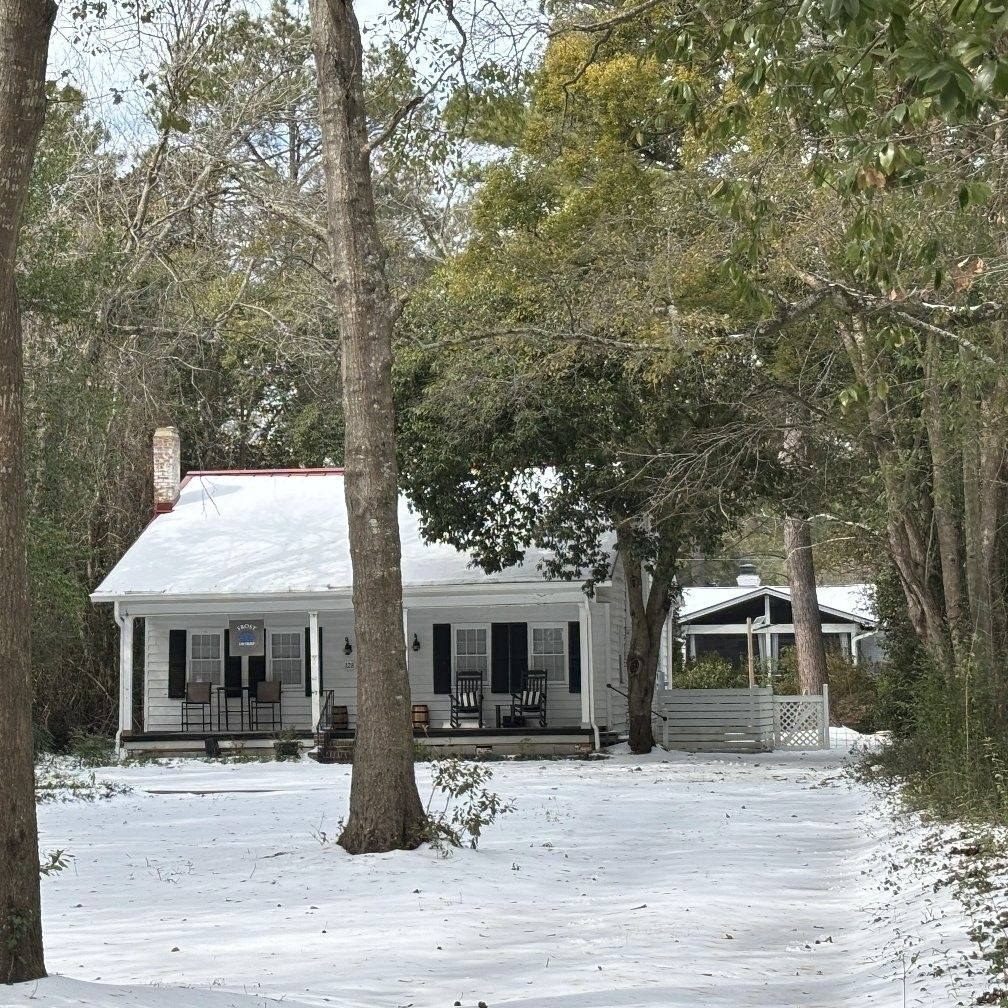
Frost Law Group represents landlords and tenants in the Dorchester, Berkeley and Charleston County magistrate courts: evictions (which South Carolina law calls ejectment) for nonpayment, lease violations and holdovers; defense of tenants who were never properly notified or whose landlord ignored the Residential Landlord and Tenant Act; security deposit claims; and lease drafting and review. Every eviction in South Carolina is heard by a magistrate, and Tara Frost served as a Dorchester County Magistrate Judge from 2022 to 2025.
The law that governs rentals here
Residential rentals in South Carolina are governed by the Residential Landlord and Tenant Act, S.C. Code § 27-40-10 et seq., and evictions follow the ejectment statute, S.C. Code § 27-37-10 et seq., in the magistrate court of the county where the property is. The Act sets the landlord’s duty to keep the unit fit and habitable, the tenant’s duty to pay rent and keep the unit clean and undamaged, the notices each side must give, the thirty-day security deposit rule and the twenty-four-hour entry rule. It does not apply to hotel stays, owner-occupied condominium units, farm leases or housing provided to an employee as part of the job.
For landlords
- Evictions done right the first time. The Application for Ejectment, service of the Rule to Vacate or Show Cause, the hearing if the tenant requests one, the Writ of Ejectment and its execution by the constable or deputy. A defective notice or a misstatement in the application sends you back to the beginning, with another month of unpaid rent. Our step-by-step guide to the South Carolina eviction process explains each stage.
- The right notice for the right ground. For nonpayment, the Act requires written notice and five days to pay, which a lease satisfies permanently if it says so in conspicuous language; for other lease violations, a written fourteen-day notice to cure; for a month-to-month tenancy, thirty days’ written notice; for a holdover after the lease ends, no notice at all. We check the lease before we file so the ground and the notice match.
- Money judgments. Unpaid rent, late fees the lease allows and damage beyond normal wear can be claimed in the same magistrate court up to its $7,500 civil limit, and a willful holdover tenant owes up to three months’ rent or twice your actual damages, whichever is greater, plus attorney’s fees.
- Leases written for the Act. A bold nonpayment-notice clause, a regularly-scheduled-services entry clause, deposit terms that match the thirty-day rule, pet and HOA provisions, and the disclosures the Act requires. A good lease is the cheapest eviction you will ever buy.
- Deposits and abandoned property. How to itemize and return a deposit within thirty days, and what the Act lets you do with belongings a tenant leaves behind.
- What you cannot do. Changing the locks, shutting off utilities, removing doors or belongings, or threatening to, without a writ. The Act gives a tenant who is unlawfully put out three months’ rent or twice actual damages, whichever is greater, plus attorney’s fees, and a magistrate who sees self-help in the file remembers the landlord’s name.
For tenants
- Facing an eviction. Once you are served with a Rule to Vacate or Show Cause you have ten days to ask the magistrate for a hearing. Do nothing and the writ issues. At the hearing, defenses include a notice that was never given or was given wrong, rent that was tendered and refused before the case was filed, a landlord who failed to make repairs after written notice, retaliation for a complaint to code enforcement, or a case filed against the wrong person. You may demand a jury.
- Security deposits. A landlord has thirty days after you move out, return the keys and ask for it to return your deposit with an itemized list of any deductions, and a landlord who wrongfully withholds it owes three times the amount plus attorney’s fees. Our security deposit page explains how to make the demand and where to sue.
- Repairs. When a landlord ignores a condition that affects health or safety, the Act lets you give written notice that the lease will end in fourteen days if it is not fixed, recover damages, and in limited cases of no heat, water or other essential services, obtain them yourself and deduct the reasonable cost. The notice has to be in writing, specific and delivered the right way, and we draft it.
- Privacy. A landlord must give twenty-four hours’ notice before entering and may enter only at reasonable times, except in an emergency or for regularly scheduled services disclosed in the lease, which must be done between 9 AM and 6 PM after announcing the entry.
- Ending a lease early. Military orders, a landlord’s material breach, or a negotiated surrender. We tell you what an early exit will actually cost before you hand over the keys.
How an eviction works in South Carolina, briefly
- Ground and notice. Nonpayment after the five-day period, a lease violation after a fourteen-day cure notice, the end of the term, or thirty days’ notice on a month-to-month tenancy.
- Application for Ejectment. Filed by the landlord in the magistrate court for the county where the property is, with a $40 filing fee plus a small fee for the writ. The magistrate issues a Rule to Vacate or Show Cause, which a constable or deputy serves on the tenant.
- Ten days. The tenant has ten days after service to request a hearing. No request, and the magistrate issues the Writ of Ejectment.
- The hearing. Usually within a few weeks. Either side may demand a jury. If the landlord wins, the writ issues within five days.
- Execution. The constable or deputy serves the writ and gives the occupants twenty-four hours to leave; after that the deputy may remove them. A tenant who appeals must post a bond within five days or the appeal does not stop the eviction.
Uncontested cases take roughly three to five weeks from filing to the writ; contested cases take longer. Rent keeps accruing while the tenant stays, and a landlord who accepts rent after the rule is issued does not waive the eviction (S.C. Code § 27-37-150). Full detail is on the eviction process page.
Where these cases are heard
Dorchester County evictions for the Summerville area are filed at the Summerville magistrate’s office at the Troy Knight Judicial Complex on Deming Way, which has a dedicated evictions clerk; the St. George office covers the upper county. Berkeley County cases are heard in the county’s magistrate courts, and Charleston County’s in its civil magistrate court. All three counties post the Application for Ejectment and the Notice to Quit on their websites or use the statewide forms.
Dorchester County Magistrate Court – Summerville (Troy Knight Judicial Complex)
212 Deming Way, Summerville, SC 29483 · (843) 832-0370 · Website
Evictions (ejectment), small claims up to $7,500, bond hearings, misdemeanors and tickets for the Summerville area. Open Monday–Friday 8:30 AM–5:00 PM; the office has a dedicated evictions clerk. Central Bond Court sits here at 9:00 AM and 3:00 PM every day.
Dorchester County Magistrate Court – St. George
5200 E. Jim Bilton Blvd., St. George, SC 29477 · (843) 563-0370 · Website
Evictions, small claims, misdemeanors and tickets for the upper county. Open Monday–Friday 8:30 AM–5:00 PM.
Why a former magistrate
Evictions are decided by magistrates, in a courtroom where most landlords and tenants appear without a lawyer and most cases are won or lost on the paperwork. Tara Frost sat on that bench in Dorchester County for three years before returning to practice. She knows which notices the court looks for, what a magistrate will and will not accept as proof of service or of a lease violation, and how to present a tenant’s defense in the ten minutes the docket allows. She does not appear in matters she handled as a judge. Read Tara’s background.
Fees
Uncontested evictions are handled for a flat fee quoted up front, plus the court’s filing and service costs. Contested evictions, tenant defense and deposit claims are quoted after we see the lease and the notices, and many are flat fees as well. Property managers and landlords with several units can arrange a standing rate.
Frost first: before you change a lock, withhold a deposit, skip a rent payment or sign a surrender agreement, call. The Act punishes the wrong move on either side with triple or treble damages and attorney’s fees. (843) 419-6653
A rental problem in Dorchester, Berkeley or Charleston County?
Call today. We will tell you what the Act requires, what the magistrate will expect, and what it will cost.
Questions people ask
How long does an eviction take in South Carolina?
An uncontested eviction usually takes three to five weeks from the filing of the Application for Ejectment to the writ: service of the rule, the tenant’s ten days to respond, and issuance and execution of the writ with twenty-four hours’ notice. A contested case with a hearing, or a jury demand, takes longer.
Can a landlord evict a tenant without going to court in South Carolina?
No. The only lawful way to remove a tenant is a Writ of Ejectment from the magistrate, executed by a constable or deputy. Changing locks, cutting utilities or removing belongings exposes the landlord to three months’ rent or twice the tenant’s actual damages, whichever is greater, plus attorney’s fees.
How much notice does a landlord have to give before evicting for nonpayment?
Written notice and five days to pay, under § 27-40-710(B). A written lease that says in conspicuous language that nonpayment constitutes notice satisfies the requirement for the whole term, which is why most Lowcountry leases contain that clause and most nonpayment cases are filed on the sixth day.
Do I need a lawyer for an eviction in magistrate court?
A landlord with a clean lease and a simple nonpayment case can often file without one. Hire a lawyer when the tenant has raised repair or retaliation defenses, when the ground is a lease violation rather than rent, when there is a dispute about who the tenant is, or when the amount at stake justifies getting it right the first time. Tenants with a real defense should not go in alone.
Do you represent tenants as well as landlords?
Yes, in different cases. We represent tenants facing eviction, tenants whose deposits were withheld, and tenants whose landlords will not make repairs, and we represent landlords in evictions, deposit disputes and lease matters. We never represent both sides of the same dispute.